
Vol. 46 (2016): Bulletin of the Chemists and Technologists of Bosnia and Herzegovina
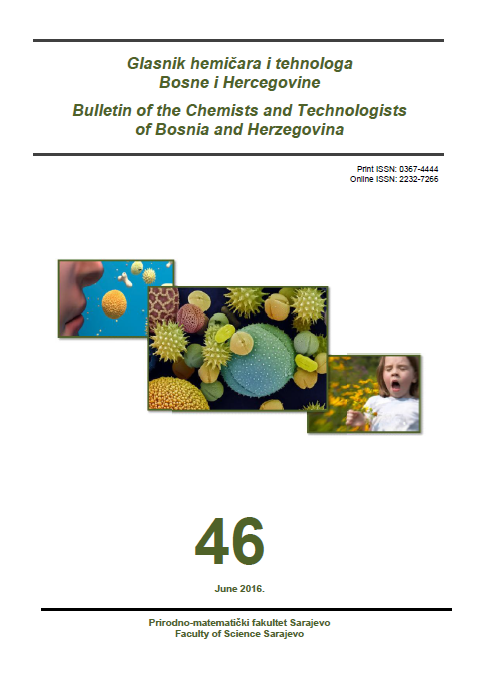
Sneezing is not always the symptom of a cold. Sometimes, it is an allergic reaction to something in the air. An allergen is a substance that can cause an allergic reaction. In some people, the immune system recognizes allergens as foreign or dangerous. As a result, the immune system reacts by making a type of antibody called IgE to defend against the allergen. This reaction leads to allergy symptoms. These allergic reactions are most commonly caused by pollen and mold spores in the air, which start a chain reaction in our immune system. As a ritual, each spring summer and fall, tiny particles known as pollen are released from trees, grasses and weeds. Pollen is transported by air currents and enters human noses and throats, triggering an allergic reaction named allergic rhinitis, also known as Pollen Allergy.
The word pollen is derived from the Greek word meaning 'fine flour' and the role of the pollen grain is to fertilise the female flower to reproduce plant species. Pollen grains can be spread by birds, bees or wind. Pollination times vary with the plant variety and its location. For example, trees pollinate in late winter and early spring. Grasses flower next, and the weed 'Plantain' flowers from August through to May. Grass pollen numbers are also higher in inland areas, where there are no natural barriers to wind dispersal.
An allergic reaction can be caused by any form of direct contact with the allergen—eating or drinking a food you are sensitive to (ingestion), breathing in pollen, perfume or pet dander (inhalation), or brushing your body against an allergy-causing plant (direct contact, generally resulting in hives).
Almost any substance in the environment can be an allergen. The list of known allergens includes plant pollens, spores of mold, animal dander, house dust, foods, feathers, dyes, soaps, detergents, cosmetics, plastics, and drugs.