Archives
-
Bulletin of the Chemists and Technologists of Bosnia and Herzegovina
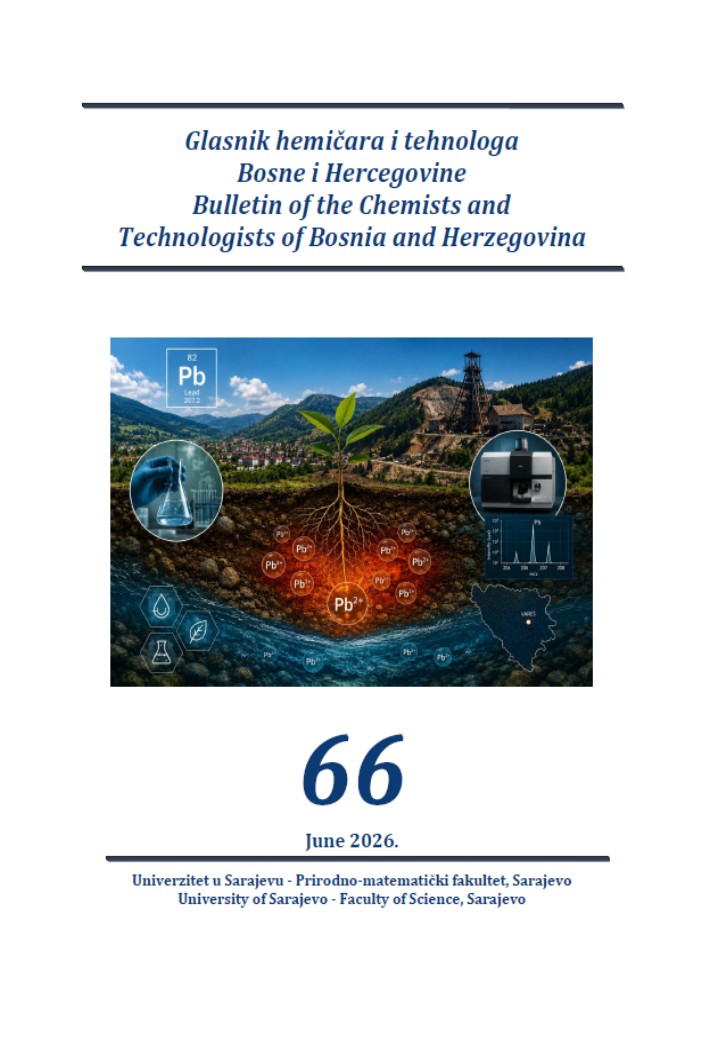
Vol. 66 (2026)Lead poisoning, also known as plumbism and saturnism. Exposure to lead can occur through contaminated air, water, dust, food or consumer products. Children are at greater risk because they are more likely to put objects in their mouths, such as those containing lead paint, and absorb a large amount of the lead they swallow. Occupational exposure is a common cause of lead poisoning in adults with certain occupations at particular risk. The diagnosis is usually made by measuring lead levels in the blood. The Centers for Disease Control and Prevention (CDC US) have set the reference level for blood lead for adults at 10 µg/dL (10 µg/100g) and for children at 3.5 µg/dL.
Classically, "acute lead poisoning" or "chronic lead poisoning" is defined as exposure to high levels of lead that are usually associated with severe health effects.
Diagnosis and treatment of lead exposure are based on the blood lead level (the amount of lead in the blood), measured in micrograms of lead per deciliter of blood (μg/dL). Urine lead levels may also be used, although less frequently. In cases of chronic exposure, lead is often sequestered in the highest concentrations first in the bones, then in the kidneys. If the provider performs a provocative excretion test, or "chelation challenge," a measurement obtained from urine rather than blood is likely to provide the healthcare provider with a more accurate representation of total lead burden.
Lead forms a wide range of compounds and exists in the environment in various forms. Organic lead poisoning is now very rare, as countries around the world have phased out the use of organic lead compounds as gasoline additives. However, such compounds are still used in industrial settings. Organic lead compounds, which readily pass through the skin and respiratory tract, primarily affect the central nervous system.
Lead poisoning is preventable. This involves individual measures such as removing lead-containing items from the home, and workplace interventions such as improved ventilation and supervision.
Lead poisoning can be acute (from intense short-term exposure) or chronic (due to repeated low-level exposure over a long period), but the latter is much more common.
Poisoning by organic lead compounds predominantly manifests with symptoms in the central nervous system, such as insomnia, delirium, cognitive deficits, tremors, hallucinations, and convulsions. In acute poisoning, typical neurological signs are pain, muscle weakness, numbness, and tingling, and rarely symptoms related to inflammation of the brain. Other acute symptoms include abdominal pain, nausea, vomiting, diarrhea, and constipation. Effects of lead on the mouth include astringency and a metallic taste. Gastrointestinal problems, such as constipation, diarrhea, poor appetite, and weight loss are common in acute poisoning.
Lead poisoning can cause a wide range of symptoms and signs that vary depending on the person affected and the duration of lead exposure. Symptoms are nonspecific and can be subtle, and someone with elevated lead levels may not have any symptoms. Symptoms usually develop over weeks to months as lead accumulates in the body during chronic exposures, but acute symptoms also occur with short, intense exposures.
-
Bulletin of the Chemists and Technologists of Bosnia and Herzegovina
No. Special Issue 7 (2026)On behalf of the Organizing and Scientific Committees, the Society of Chemists and Technologists of Canton Sarajevo, and the Department of Chemistry at the University of Sarajevo – Faculty of Science, it is my great pleasure and honor to welcome you to the 6th International Congress of Chemists and Chemical Engineers of Bosnia and Herzegovina (6th ICCCEB&H 2026).
Since its establishment, the Congress has grown into an important platform for bringing together researchers, educators, students, and professionals from academia and industry. It provides a unique opportunity to exchange scientific knowledge, discuss current challenges, and explore innovative solutions that contribute to the advancement of chemistry, chemical engineering, and related disciplines.
The scientific programme of the Congress reflects the diversity and interdisciplinary nature of contemporary chemical sciences. Through plenary and keynote lectures, oral presentations, poster sessions, and discussions, participants will share their latest research findings and establish valuable collaborations that may lead to future scientific achievements and joint initiatives. In addition, a satellite event for primary and secondary school chemistry teachers will be held as part of the Congress, fostering discussion on the growing role of artificial intelligence in chemistry education and its implications for teaching, learning, and pedagogical practice.
We are particularly proud to welcome participants from different countries and institutions, whose presence enriches the scientific and cultural dimensions of this event. Your contributions are essential to creating a dynamic environment that encourages creativity, critical thinking, and the exchange of ideas.
All accepted abstracts will be published in a special issue of the Bulletin of Chemists and Technologists of Bosnia and Herzegovina, while selected papers will be considered for publication in the journal following the peer-review process.
I would like to express my sincere gratitude to the members of the Organizing Committee, International Scientific and Advisory Committee, and Scientific Committee for their dedication and hard work. I also extend my appreciation to all authors, speakers, participants, sponsors, and partners whose support and commitment have made this Congress possible.
I warmly welcome you to Sarajevo and wish you a productive, inspiring, and enjoyable Congress. May the discussions, ideas, and collaborations initiated here contribute to scientific excellence and strengthen the connections within our international scientific community.
-
Bulletin of the Chemists and Technologists of Bosnia and Herzegovina
Vol. 65 (2025)Decarbonization and the Phase-Out of Coal: A Public Health Imperative and a Development Opportunity
Air pollution remains one of the most serious environmental and public health challenges in Sarajevo Canton and across Bosnia and Herzegovina. Winter pollution episodes characterized by extremely high concentrations of particulate matter (PM₂.₅ and PM₁₀), sulphur dioxide, and polycyclic aromatic hydrocarbons clearly indicate the dominant contribution of coal and other solid fuels used in residential heating and the energy sector. In this context, decarbonization should not be viewed as an abstract climate objective, but rather as an immediate measure for protecting public health and improving quality of life.
In recent years, Sarajevo Canton has taken an important step forward by developing strategic documents aimed at the gradual restriction of coal use and the modernization of heating systems. The emphasis on replacing inefficient individual stoves, improving building energy efficiency, and strengthening district heating systems reflects a sound understanding of the local pollution profile. However, the main challenge remains implementation: without stable financing mechanisms, clearly defined timelines, and consistent enforcement, even well-designed strategies risk having limited impact.
At the national level, Bosnia and Herzegovina’s energy system remains heavily dependent on coal, particularly in electricity generation. This dependency creates multiple risks—environmental, health-related, and economic—as European climate policies steadily increase the cost of emissions and undermine the long-term viability of coal-fired power plants. At the same time, progress toward renewable energy deployment and cleaner heating solutions has been slower than in most European countries, partly due to institutional fragmentation and the absence of coherent longterm planning.
Within the European context, decarbonization has become the central framework for energy and industrial development. The European Green Deal, emission reduction targets, and the Just Transition mechanism clearly signal that investments in coal no longer have a sustainable development rationale. For countries aspiring to closer integration with the European Union, including Bosnia and Herzegovina, this represents a strong external signal: energy transition is no longer a matter of choice, but a prerequisite for economic competitiveness and political alignment.
The technical and policy solutions to reduce air pollution and carbon emissions are well known. Energy efficiency measures—such as thermal insulation and building retrofitting—often deliver the fastest and most cost-effective benefits. Replacing individual coal-fired stoves with modern heating systems, including heat pumps, district heating, and renewable energy-based solutions, directly reduces local air pollution. In parallel, the expansion of renewable electricity generation must be accompanied by clear and credible plans for the gradual phase-out of coal-based capacity.
The social dimension of the transition deserves particular attention. Coal is not merely an energy source, but also a livelihood for certain communities. Decarbonization policies must therefore incorporate measures to protect vulnerable households, subsidize clean heating alternatives, and support reskilling and employment transition programs for affected workers. Without such measures, the energy transition risks losing public support and exacerbating social inequalities.
The role of the scientific community in this process is crucial. Through robust measurements, source apportionment studies, and assessments of the health and economic benefits of decarbonization, science can provide an evidence-based foundation for policy decisions. Editorials, scientific papers, and interdisciplinary research can help bridge the gap between climate policy objectives and everyday public concerns—cleaner air, reduced health risks, and long-term economic resilience.
Decarbonization in Sarajevo Canton and Bosnia and Herzegovina is therefore not only an obligation to future generations, but a responsibility toward present ones. The era of coal as the backbone of the energy system is drawing to a close; the challenge lies in transforming this inevitability into a development opportunity rather than another missed chance.
-
Bulletin of the Chemists and Technologists of Bosnia and Herzegovina
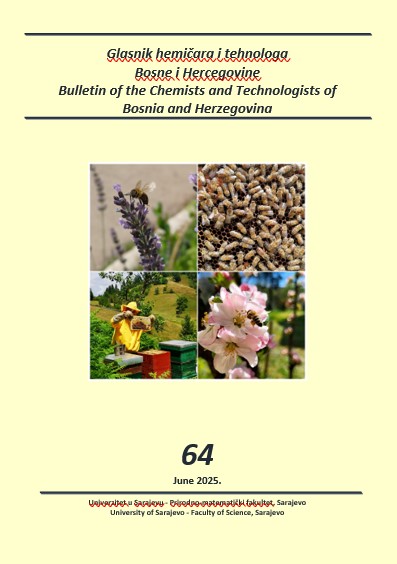
Vol. 64 (2025)Dead Bees - A Warning That We Must Not Ignore
According to data from the American National Institute for Food and Agriculture, the death of bees has negative consequences for the entire society, considering that about 35% of the world's food depends on pollinators. Bees are certainly one of the most important pollinators. In 2025, a significant number of dead bees was recorded around the world, including in Bosnia and Herzegovina. In the United States, the percentage of dead bees was 50-70%. In Serbia, the loss of bee colonies varied from region to region, but the greatest loss was in Vojvodina and western Serbia. Losses of bee colonies from 35% to 100% have been recorded in Serbia. In Bosnia and Herzegovina, that percentage is between 30% and 50%, although there are also losses in the percentage of 90%.
The death of about 10% of bees after the winter period is something that usually happens because there comes a period when the winter bees need to raise the first generation of spring bees. If the bee colonies are weakened and do not have enough strength to carry out that shift, the death of the old bees occurs before they pass the role to the new generations, but this certainly does not happen in such a large percentage as it did in 2025. Therefore, the question arises as to what is the reason for such a large and massive death of bees. Taking into account the fact that the beekeepers state that there are no dead bees in front of the hives or even inside the hives, but the hives are empty and inside the hives there are few reserves of honey and pollen and very little honey. What is certain is that the death of the bees did not occur only because of one factor, but that several of them led to this outcome. Potential causes of bee death are: varroa, viruses, pesticides, insecticides, climate change leading to large dry periods resulting in poor bee nutrition, the appearance of invasive hornet species, habitat degradation, and stress. Sublethal doses of immunosuppressive pesticides favor the spread of bee diseases, and pesticides and their interactions contribute to the loss of bee colonies caused by stress. Neurotoxic insecticide molecules affect the cognitive abilities of bees, reducing their performance and ultimately affecting the sustainability of bee colonies.
Immunosuppression of natural defenses by neonicotinoid and phenyl-pyrazole (fipronil) insecticides opens the way for parasitic infections and viral diseases, encouraging their spread among individuals and among bee colonies at higher rates than in conditions without exposure to such insecticides. Synergistic interactions between the parasitic Varroa mite and viral pathogens severely reduce host immunity and contribute to the deterioration of bee health. The long dry period that is a consequence of climate change also has a negative effect on bees because it leads to impoverished bee nutrition, and bees that do not have enough food are more susceptible to virus infections. Pollen is very important for the nutrition of bees because it is rich in proteins, amino acids, vitamins, and minerals that are necessary for the proper growth and development of bees, and in case of its deficiency, bees' immunity weakens and bees can die.
Although many factors are contributing to the global decline of honeybee populations, the most dangerous stressor is the Varroa mite. The Varroa mite is a parasite that attacks adult honeybees and their brood and feeds on hemolymph, which weakens their immune system. Varroa reproduces quickly and can overwhelm a honey bee colony in about six months. The presence of varroa in the hive leads to:
- reduction of the total population of the colony, which affects the possibilities of nutrition and pollination,
- decrease in honey production due to reduced nutrition and damaged health of worker bees,
- weakening of colonies and increasing their sensitivity to additional stressors from the environment.The mass death of bees recorded in 2025 should be a serious alarm for the population, the environment, agriculture, and food security. Of particular concern is the fact that bee colonies are disappearing without obvious signs of death, which may indicate multiple stressors acting simultaneously, from parasites and viruses to the use of pesticides to climate change and habitat degradation. This is a complex problem that requires coordinated action to protect bees as one of the key pollinators and thus ensure the stability of the ecosystem and agricultural production. Some of the recommendations that could certainly contribute to the protection of bees are certainly limiting the use of pesticides and insecticides, controlling their use/banning them, or using biologically acceptable methods of treating plants during the flowering phase. Improving the habitat and nutrition of bees by planting honey plants would create more comfortable conditions for bees. Control and suppression of varroa and other parasites through regular monitoring and treatment of bee colonies using effective and beeharmless means. Monitoring of climate changes and timely notifications of extreme weather conditions, education and training of beekeepers, well as cooperation with the scientific sector and researchers.
-
Bulletin of the Chemists and Technologists of Bosnia and Herzegovina
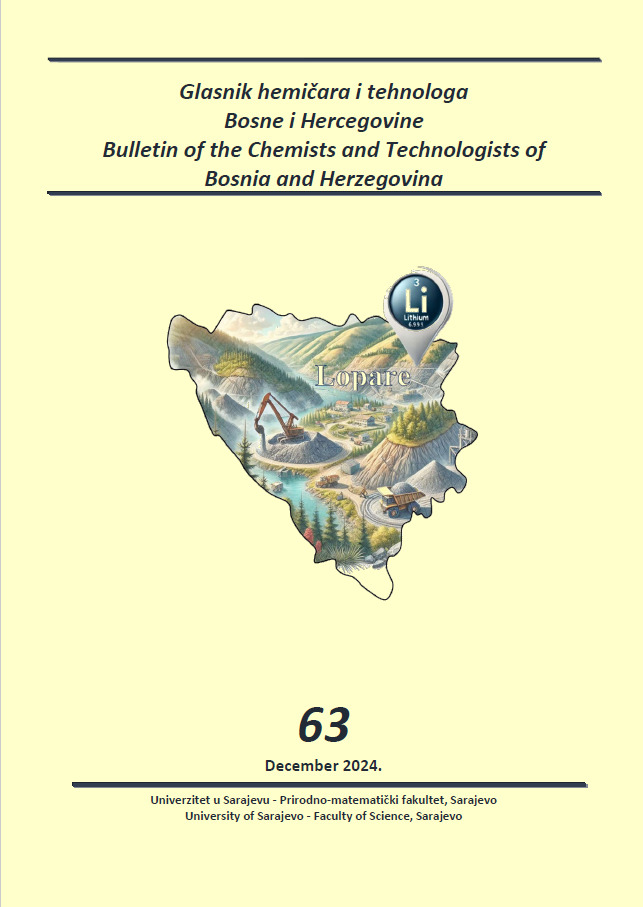
Vol. 63 (2024)Lithium in Shaping Modern Technology – Sustainability versus Controversy
Few topics in modern discourse draw as much focus as lithium. Lithium, the lightest of all metals and an alkali metal, is a silvery-white and highly reactive element renowned for its unique properties. As the strongest reducing agent, it owes its reactivity to low ionization and sublimation energies and the high hydration energy of its small Li⁺ ion. Lithium reacts readily with water, nitrogen, and oxygen, even at room temperature. These distinctive properties make metallic lithium a cornerstone of modern technology and a critical element in the ongoing energy transition, enabling the shift away from fossil fuels to greener technologies. Its primary application is in lithium-ion batteries, which power a vast array of devices, from smartphones and laptops to electric vehicles. Lithium significance extends beyond batteries to pharmaceuticals in treating bipolar disorder, glass and ceramics in improving thermal shock resistance, industrial greases in increase of high-temperature stability, hydrogen storage and synthetic chemistry.
In public discourse, metallic lithium, its compounds, and lithium ores are often confused, leading to misunderstandings about the risks involved in lithium production. A common misconception equates the mining of lithium-rich minerals with the production of metallic lithium. However, mining ores like spodumene or lepidolite is no more hazardous than mining other metal ores, such as copper or iron. The actual challenges lie in the chemically intensive processes required to extract, purify, and refine lithium ores into usable compounds or metallic lithium.
Industrially, lithium is obtained either from brines or through chemical and electrochemical processing of ores. Extraction from brines involves pumping lithium-rich saline water into evaporation ponds, followed by chemical treatment of the concentrated brine to produce lithium carbonate, which can be further processed into lithium chloride. In contrast, lithium extraction from ores is more complex and chemically intensive, requiring roasting of the ore, chemical treatment to isolate lithium, purification to obtain lithium carbonate, and conversion into lithium chloride. Metallic lithium is then produced via high-temperature electrolysis of a eutectic mixture of LiCl and KCl at 750°C. These processes require large quantities of chemicals such as sulfuric acid, hydrochloric acid, sodium carbonate, and calcium hydroxide, posing significant risks of water and soil contamination if waste is not properly managed or processes are poorly executed.
While the mining of lithium ores itself shares environmental impacts common to all mining, such as deforestation, biodiversity loss, and soil degradation, the advanced stages of processing introduce these unique challenges related to water depletion, chemical waste generation, and contamination of surrounding ecosystems.
In Bosnia and Herzegovina, significant lithium reserves have been identified, particularly in Lopare and Ugljevik, with an estimated 1.5 million tons equivalent to lithium carbonate. Explorations are ongoing in areas such as Čajniče, Jezero, Šipovo, Bijeljina, Zvornik, and Brčko, encompassing a total of 20 potential sites. In Serbia, the Jadar Valley contains one of the world's largest lithium deposits, featuring the unique mineral jadarite—a lithium and boron mineral critical for battery and glass production. The Jadar project, led by Rio Tinto, is projected to meet over 10% of global lithium demand. However, the project faces substantial opposition due to concerns about potential soil and water contamination, with environmental activists and local residents rightly worried about its long-term impact on the environment.
Neither Bosnia and Herzegovina nor Serbia currently have the capacity to process lithium ores into high-value final products. Existing infrastructure supports only mining and the extraction of lithium-rich compounds like lithium carbonate or lithium chloride, which are exported to developed countries for further refinement and battery production—processes that carry significant economic value. This dependence limits the financial benefits for domestic economies and shifts most of the economic value abroad. It also raises questions about whether the potential economic gains justify the environmental and social costs of mining, as extraction and chemical processing can impose significant burdens on local ecosystems and communities.
-
Bulletin of the Chemists and Technologists of Bosnia and Herzegovina
No. 5 Special Issue (2024)On behalf of the Organizing and Scientific Committee, the Society of Chemists and Technologists of Canton Sarajevo, and the University of Sarajevo - Faculty of Science, it is my great pleasure to welcome you to the 5th International Congress of Chemists and Chemical Engineers of Bosnia and Herzegovina (5th ICCCEB&H 2024) in Sarajevo.
I am thrilled to host this gathering of brilliant minds and passionate professionals from around the world, all united by a common goal: to advance the field of chemistry and harness its potential for the betterment of society. This congress marks a significant milestone in our ongoing journey of discovery and innovation. Over the next few days, we will have the opportunity to share groundbreaking research, exchange ideas, and foster collaborations that will shape the future of chemistry. Our diverse program includes plenary lectures, keynote lectures, oral and poster sessions, all designed to stimulate intellectual curiosity and inspire new avenues of thought.
All submitted abstracts will be published in a special issue of the Bulletin of Chemists and Technologists of Bosnia and Herzegovina, and selected papers will be published in an issue of the Bulletin of Chemists and Technologists of Bosnia and Herzegovina after the peer-review process.
Thank you for being here and contributing to the 5th International Congress of Chemists and Chemical Engineers of Bosnia and Herzegovina. We look forward to engaging with you and witnessing the remarkable progress that will emerge from our collective efforts. We thank the members of the Organizing Committee, International Scientific and Advisory Committee, Scientific Committee, and last but not least, all the participants for organizing, supporting, and contributing to the quality of this Congress. We are grateful for their hard work and commitment to making this congress a success. This event would also not be possible without the generous support of our sponsors.
We welcome all of you once again to the 5th ICCCEB&H 2024 and wish you an interactive, inspiring, and joyful scientific gathering and a pleasant stay in Sarajevo, Bosnia and Herzegovina.
-
Bulletin of the Chemists and Technologists of Bosnia and Herzegovina
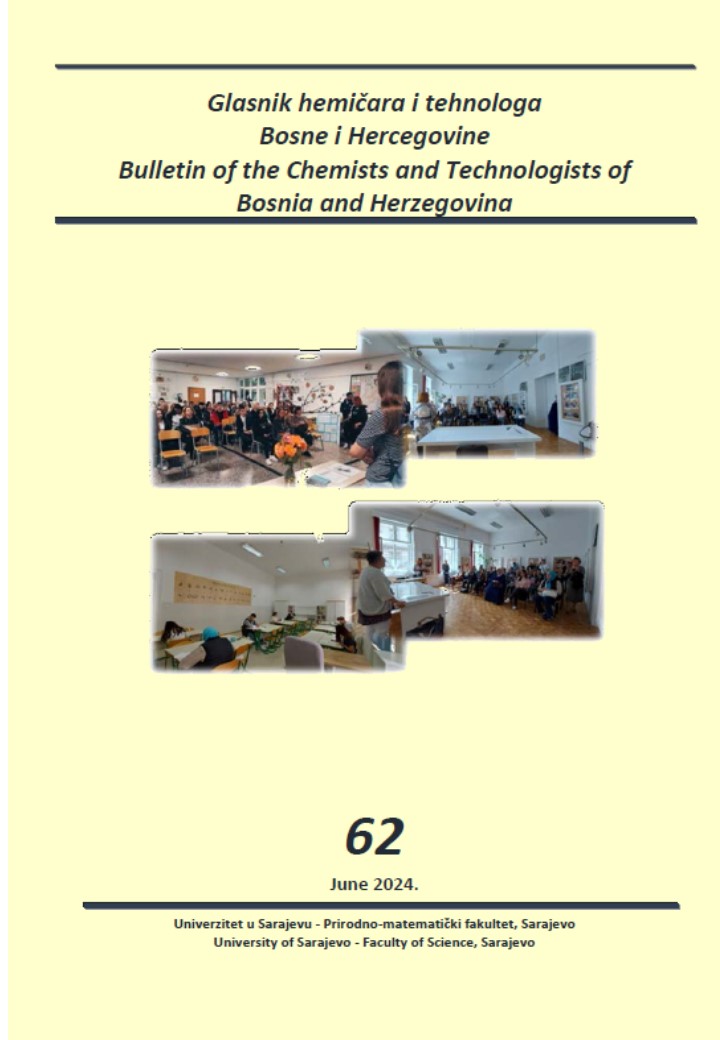
Vol. 62 (2024)The scientific significance of holding competitions in science for primary and secondary school students cannot be overstated. These competitions serve as vital platforms for nurturing a deep interest in the sciences among young learners. They offer students the opportunity to apply theoretical knowledge in practical settings, encouraging a hands-on approach to learning that is both engaging and educational. In the context of Bosnia and Herzegovina, where student performance in international assessments such as PISA and TIMSS has been below average, the reintroduction of such competitions is particularly timely and beneficial.
For many years, Bosnia and Herzegovina did not hold chemistry competitions for its students. However, after significant effort and dedication, the first competition in many years was successfully held in Sarajevo Canton in May. This event marked a pivotal moment in the educational landscape. The competition not only rekindled a spirit of chemistry inquiry among students but also highlighted the importance of practical, competitive learning experiences. The positive aspects of the competition are manifold. Firstly, it provided students with a platform to showcase their chemistry knowledge and skills, boosting their confidence and motivating them to pursue further studies in chemistry. Secondly, it fostered a sense of community and collaboration among students and educators alike. Teachers were able to exchange best practices and innovative teaching methods, which can be incorporated into their regular curricula. Additionally, the competition drew attention to the importance of chemistry education, potentially influencing educational policy and resource allocation in the future.
Competitions can inspire a cultural shift towards valuing chemistry and education. When students see their peers succeeding and being celebrated for their achievements, it can create a ripple effect, encouraging more students to take an interest in this subject. This increased interest can lead to a more scientifically literate population, better prepared to tackle the challenges of the modern world. Looking ahead, there are plans to extend this competition to all cantons, ultimately establishing it at the national level. This expansion is crucial for ensuring that all students across Bosnia and Herzegovina have the opportunity to benefit from these enriching experiences. By making the competition national, organizers can foster a more unified and robust approach to science education throughout the country. This nationwide initiative can also help to address the disparities in educational resources and opportunities between different regions.
-
Bulletin of the Chemists and Technologists of Bosnia and Herzegovina
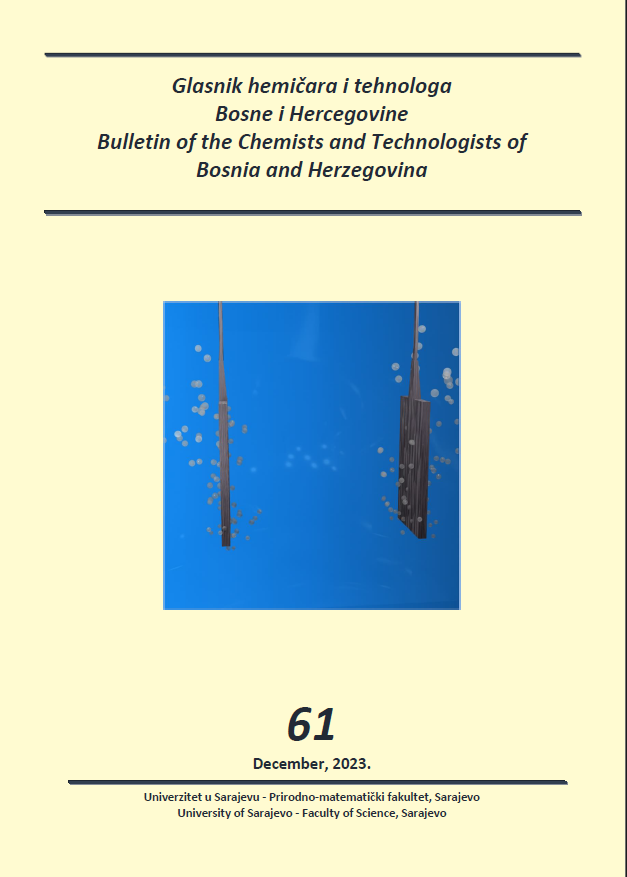
Vol. 61 (2023)General public views and opinions on the transition towards the clean, carbon-neutral future are often reduced to the false dilemma between hydrogen and batteries, which arises from the oversimplified and narrow view of their current and future uses for the decarbonisation of road transport. In such debates, the comparison of batteries and hydrogen is based on several physical quantities (energy density, power, rate of charge), energy conversion efficiency, and loose environmentally concerned arguments. While the first two sets of arguments may seem sufficient for comparing hydrogen and batteries directly applied in vehicles, they fall short when highlighting the importance of investing in research, development, and production of these systems.
Hydrogen plays a crucial role in various industries (refining, ammonia production, methanol, and other chemicals), and has a perspective to become a key factor in several other areas, like the steel industry and heating (by combustion of clean hydrogen or blends with natural gas). Almost all of the 8.7 Mt of hydrogen consumed by the European Union in 2020 was produced from fossil reserves, leading to significant CO2 output and water withdrawal and consumption, which points to the conclusion that decarbonization of different sectors means decarbonization of hydrogen production. Water electrolysis, in which the energy is supplied from the surplus of the energy produced from renewable resources, is the ultimate method to produce carbonneutral hydrogen. According to the 2022 Clean Hydrogen Monitor, the current water electrolyzer production capacity in Europe is 3.3 GW per year, out of which, 60 % is based on the alkaline and 40 % on the PEM technology. The following years will witness a significant increase in the production capacity, which will consequently increase the demand for personnel qualified in chemistry, chemical engineering, chemical technology, and materials, needed for research, development, production, operation, and maintenance of these systems. The same profiles are also essential for research and development, production, operation and maintenance of hydrogen utilization systems (fuel cells), as well as batteries and other chemical systems for energy storage and conversion. These projections emphasize the importance of investment, not only for the development of new technologies and additional production capacities but also for the investment in the education of required personnel.
-

Bulletin of the Chemists and Technologists of Bosnia and Herzegovina
Vol. 60 (2023)In January 2022, the University of Sarajevo’s Department of Physics started to implement a comprehensive project that aimed at all-encompassing modernization of the Department. Recently, the project has been successfully completed, resulting with a completely modernized research and teaching infrastructure.
The following capital research equipment was purchased: X-ray diffractometer, scanning electronic microscope, atomic force microscope, differential scanning calorimeter and UV-Vis spectrometer. This equipment is supposed to be used for conducting fundamental and applied research in condensed matter physics, and other natural sciences.
In addition, all the Department’s rooms were completely refurbished, including the computer lab and introductory physics labs. Thus the quality of the learning and study environment has been significantly improved. Especially the conditions for the development of computer and laboratory skills are now much better.
The net value of the project was around 1.5 million euros and was fully financed by the "Three Physicists" Foundation, established by physicists Edmond, Maja and Jan Offermann.
-
Bulletin of the Chemists and Technologists of Bosnia and Herzegovina
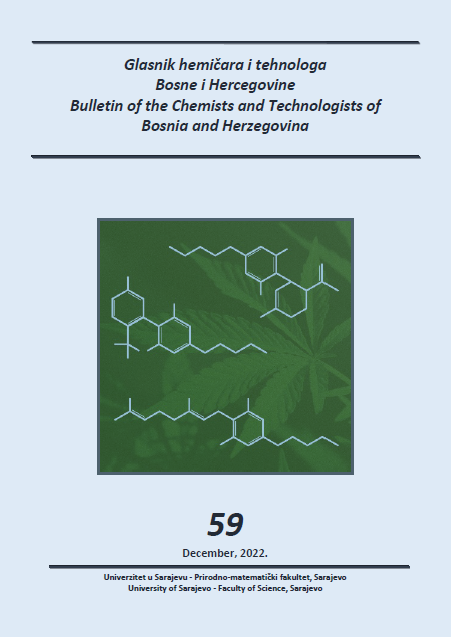
Vol. 59 (2022)Cannabis and cannabis-derived products are the world's most commonly abused illicit drugs with a high incidence of usage in adolescents, and, therefore, as they may pose a serious risk to public health, they have long been regulated by legislation.
However, the discovery of the endocannabinoid system has raised public interest in the medicinal use of cannabis, cannabis-derived products, and cannabis-derived compounds (cannabinoids). There is evidence suggesting the therapeutic potential of cannabinoids in reducing spasticity associated with multiple sclerosis, chronic neuropathic pain, nausea, and vomiting in individuals undergoing chemotherapy as well as their potential anti-seizure efficacy. Although there is some uncertainty on the safety of medical cannabis, cannabis-derived products, and cannabis-derived compounds use, clear acute cardiovascular, respiratory, cognitive, psychological, and public health effects of cannabis use truly exist.
Current laws in European Union (EU) differentiate between raw herbal cannabis, cannabis extracts, and cannabinoid-based medicines. So far, only one cannabinoid-based medicine with the trading name Epidyolex (containing 10% of cannabidiol) has been approved by the European Medicines Agency (EMA) for use as adjunctive therapy of seizures associated with LennoxGastaut syndrome, Dravet syndrome, or tuberous sclerosis complex for patients 2 years of age and older. EMA does not approve the use of herbal cannabis or its extracts. However, many European countries authorized the use of some additional cannabinoid-based medicines, magistral preparations (Czech Republic, Germany, Italy, and the Netherlands and with exceptional/compassionate use programs in Croatia, Denmark, Finland, Poland, and Sweden), and raw cannabis (Croatia, Czech Republic, Denmark, Finland, Germany, Italy, Luxembourg, Netherland, Poland, and Sweden) by the noncentralized route or national procedures of the EU member states. To date, only Germany and the Netherlands have fully authorized the medical use of herbal cannabis. Specific national regulations in different countries enable medical approval and oversight, limit medicinal use to a specific set of medical conditions, and generally restrict the use of cannabis preparations.
In Bosnia and Herzegovina (a non-EU country), the production and use of cannabis and cannabis-based products are regulated by the Law on Prevention and Suppression of Narcotic Drug Abuse. According to this Law, cannabis, and cannabis-based products are classified as "Prohibited substances and plants". With this classification, cannabis, and cannabis-based products are defacto prohibited from all use except for scientific and very limited medical purposes by duly authorized persons, in medical or scientific establishments.
At the beginning of 2016, the Council of Ministers of Bosnia and Herzegovina formed an expert working group, which in October 2016 gave a positive opinion on the justification of the use of cannabis and cannabis-based products for medical use in Bosnia and Herzegovina. The group submitted to the Council of Ministers a proposal to amend this law and classify cannabis and its products as „Substances and plants under strict control“, which would allow the authorized cultivation, production, and trade of cannabis and cannabis-based products and create the conditions for approval and regulation of the use of cannabis for medical purposes.
-
Bulletin of the Chemists and Technologists of Bosnia and Herzegovina
No. 4 Special Issue (2022)On behalf of the Organizing and Scientific Committee, the Society of Chemists and Technologists of Canton Sarajevo and the University of Sarajevo - Faculty of Science, we welcome you to the 4th International Congress of Chemist and Chemical Engineers of Bosnia and Herzegovina (ICCCEB&H 2022) in Sarajevo.
The ICCCEB&H Congress series, first launched in 2014, presents an ideal platform for fruitful exchange of ideas which is crucial for scientific advancement.
We are delighted to inform you that ICCCEB&H 2022 will have 29 Oral and 112 Poster presentations, in addition to three plenary lectures which will be held by prestigious scientists.
The impetus generated by these inspiring and high-caliber distinguished speakers enabled us to attract more than 155 participants from all around the world (Bosnia and Herzegovina, Croatia, Serbia, Montenegro, Bulgaria, Austria, Czech Republic, Jordan, Slovenia, Spain, Pakistan, United States of America, South Africa, United Kingdom, Slovakia, France and Morocco).
All submitted abstracts will be published in a special issue of the Bulletin of Chemists and Technologists of Bosnia and Herzegovina, and selected papers will be published in a regular issue of the Bulletin of Chemists and Technologists of Bosnia and Herzegovina after the peer-review process.
The Congress will cover different branches of chemistry and chemical technology and offer an opportunity for scientists to exchange latest research findings and ideas and to develop new networks and collaborations.
We thank the members of the Organizing Committee, International Scientific Committee, Scientific Committee, sponsors, and last but not the least all of the participants for organizing, supporting and contributing to the quality of this Congress.
We welcome all of you once again to the ICCCEB&H 2022 and wish you an interactive, inspiring and joyful scientific gathering and a pleasant stay in Sarajevo, Bosnia and Herzegovina.
-

Bulletin of the Chemists and Technologists of Bosnia and Herzegovina
Vol. 58 (2022)Achieving the objective of climate neutrality in EU by 2050. will not be possible without deep decarbonization of industry, transport and energy sectors. Decarbonization of hydrogen production holds the central place in these efforts as it can be used as high energy value fuel (in combustion engines or fuel cells) for transport and domestic use, but also for electrical grid stabilization and full utilization of solar and wind power. Furthermore, production of hydrogen solely for Haber-Bosch process uses 1 % of the world's energy production, with the 1.4 % share of total CO2 emissions.
Hydrogen produced by electrochemical water splitting using solar, wind or nuclear energy has zero carbon footprint. However, efficiency of this process, as well as the overall efficiency of electrochemical hydrogen cycle (electrochemical production, electrochemical compression, electrochemical utilization) significantly depends on the thermodynamics and kinetics of fundamental electrochemical processes at the electrode/electrolyte interface. Consequently, rational design of affordable and scalable materials with excellent electrocatalytic performance (activity, stability and selectivity) towards the hydrogen evolution, hydrogen oxidation, oxygen evolution and oxygen reduction reactions has never been more important and appreciated. Current research approaches absoultely rely on the knowledge of fundamental catalytic and electrochemical processes combined with quantum mechanics and computational methods, which enables rational planing of experimental work.
Although Bosnia and Herzegovina is not yet part of the European Union, its geographic position and existing industry dictates the need for prompt investments in research and development for transition to hydrogen-based green technologies. University of Sarajevo – Faculty of Science is currently the only academic/research institution in Bosnia and Herzegovina with active research projects dealing with (electro)catalysts for hydrogen economy.
Project Optimizing Fuel Cell Catalyst Stability upon Integration with Reforming, funded by NATO Science for Peace program and realized in collaboration with National Institute of Chemistry from Ljubljana and University of Belgrade – Faculty of Physical Chemistry, addresses stability of new Pt/modified graphene and nonPt/modified graphene composites for PEM-FC. Beside scientific outputs of the project, development of the real system - PEM fuel cell - has been done in collaboration with the project end user Center for Advanced Technologies Sarajevo.
Also, first investments in green hydrogen production are starting to formalize, as private company HEET d.o.o. from Rama-Prozor is setting up the first green hydrogen production plant in Bosnia and Herzegovina, based on PEM electrolyzer supplied by solar energy. These first steps are important because Bosnia and Herzegovina will soon be at the decarbonization or isolation crossroad, as there is still no strategy necessary for smooth connection to already well established European activities.
-
Bulletin of the Chemists and Technologists of Bosnia and Herzegovina
Vol. 57 (2021)Potential drugs for oral treatment of COVID-19
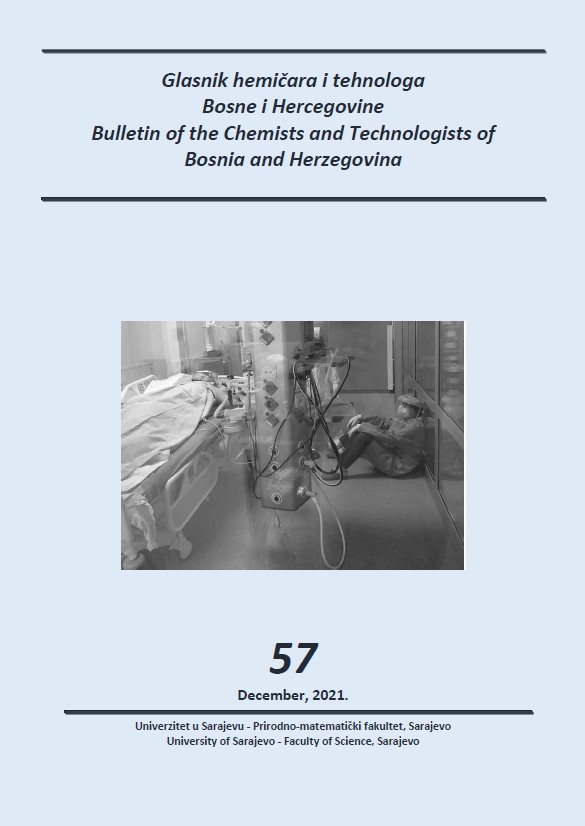
A substantial number of patients with COVID-19, mostly older and those with preexisting chronic diseases need hospitalization, because of clinical progression to severe disease. Therefore, despite several vaccines in use, antiviral therapies that reduce the risk of COVID-19 progression are needed. Oral administration of such therapies would be ideally for the patients, who would easily use it by themselves. So far only one combination of antiviral drugs was approved for emergency use. As reported by manufacturer, combination of nirmatrelvir and low dose of ritonavir is an investigational SARS-CoV-2 protease inhibitor antiviral therapy, for oral administration. Nirmatrelvir is designed to inhibit replication of coronavirus, and low dose of ritonavir, helps maintaining adequate concentration of nirmatrelvir, by slowing down it's metabolism and breakdown. It is not authorized for the pre-exposure or post-exposure prevention of COVID-19 or for treatment in those requiring hospitalization due to severe or critical COVID-19. The U.S. Food and Drug Administration issued an emergency use authorization for this combination, which is different than an approval, in a sense that Agency determined that there is a reasonable believe that this combination can be effective in treatment of mild to moderate COVID-19 in authorized patients (adults and pediatric patients (12 years and older) with positive results of direct SARS-CoV-2 testing and who are at the risk for progression to severe COVID-19, including hospitalization or death), and that potential benefits outweigh the known and potential risks of the product. It is not authorized for use for longer than five consecutive days. So far there are no adequate, approved and available alternatives for the treatment of COVID-19, although some results of the phase 3 of clinical trial published on 16th December 2021, showed that oral molnupiravir (small-molecule ribonucleoside prodrug of n-hydroxycytidine) was found to be effective (significant reduction of hospitalization or death) for the early treatment of COVID-19 (within five days after the onset of signs and symptoms) without evident safety concerns, in the population of nonhospitalized, unvaccinated adults, who were at risk for the progression to severe disease.
-
Bulletin of the Chemists and Technologists of Bosnia and Herzegovina
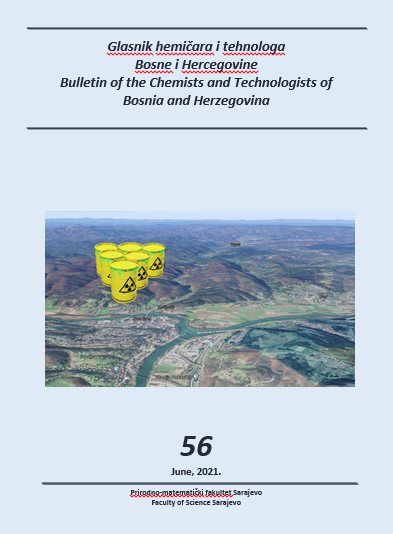
Vol. 56 (2021)The disposal of radioactive waste is the last stage in radioactive waste management and it is oftentimes considered as a permanent waste category. The main goals of the construction of radioactive waste repositories are the protection of people and environment from harmful radiological and non-radiological impact, as well as storing the waste in a way that leaves minimal responsibility for radioactive waste management to future generations. In accordance with the recommendations of regulatory authorities in this field (IAEA, EU directives, Euratom directives,…), as a prerequisite for the construction of this type of repositories is the choice of location, or its characteristics (geological and geochemical structure, soil porosity, presence of surface water and groundwater – their flow and chemical composition, seismic characteristics of the location and environment, relevant climatic conditions, presence of populated areas, risk of fires,…). Also, in order for a repository to function properly, the radioactive waste classification is crucial, on the basis of which the criteria for the design and type of repository can be further defined.
Trgovska gora, ie. the Čerkezovac site, has been selected by the Republic of Croatia as a site for radioactive waste disposal (including the treatment, conditioning, manipulation, long-term storage and disposal of radioactive waste, in particular used radioactive sources and spent nuclear fuel). The site is located on the border with Bosnia and Herzegovina (Čerkezovac is located only 850 meters away from the Una National Park), which obliges the Republic of Croatia to adhere to the ESPOO Convention and the Aarhus Convention. According to the available data, the location of Trgovska gora is a terrain naturally unfavorable for radioactive waste disposal. The soil consists mainly of sedimentary rocks and a smaller share of metamorphic rocks, whose vertical development is insufficiently explored. There are surface water and groundwater, which in synergy with other factors (terrain slope, infiltration, vegetation, climatic conditions, floods, etc.) implies the direction of distribution and fast migration of contaminants to the protected area within the “Natura 2000” network, river Una, and the present settlements within the territory of Bosnia and Herzegovina. In addition, the seismic conditions of this location are unfavorable, and since the area is fich in forests, there is a possibility of fires of natural and anthropogenic origin. Also, the construction of radioactive waste landfills in the area of Trgovska gora will inevitably lead to an adverse impact on further prospects for the survival of the local population and development of the area, even in the best case scenario which assumes the impossibility of radionuclide leakage into the environment.
-
Bulletin of the Chemists and Technologists of Bosnia and Herzegovina
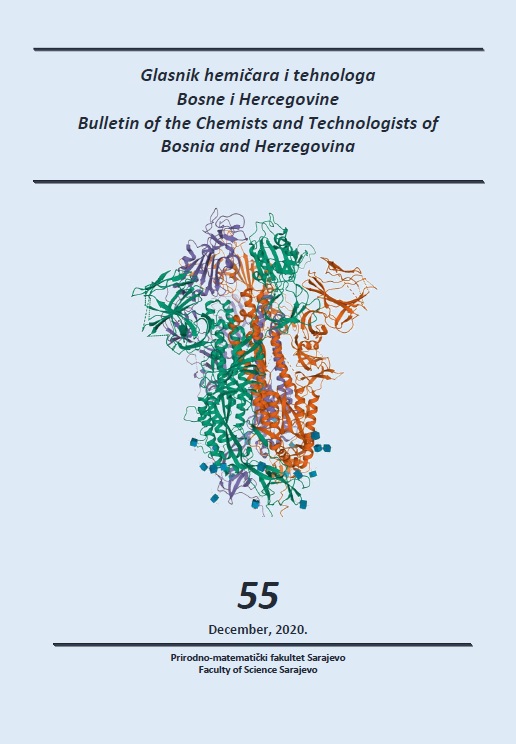
Vol. 55 (2020)Severe acute respiratory syndrome coronavirus (SARS-CoV)-2 is the cause of pandemic that disrupted the world like never before. Though primarily a medical issue, the spectrum of damaged caused by the disease on other aspects of life are numerous. Social connections, economy and general disruption of systems even in the most developed of nations are just some examples of the danger of this pandemic. Ranging in effect from asymptomatic individuals to cases much more severe in nature such as death, the spread of COVID-19 over the world was declared a pandemic by WHO on March 11, 2020. Since then, a numerous research papers, peer reviewed or not has been published in a number of research journals. At his time, thirty nine published papers about novel coronavirus have been retracted including ones published in the most respected journals. As of December, searches for COVID-19 returned 85,02 results in PubMed. At the same time, race to find a relevant treatment to stop pandemic was on the way. In November, BioNtech and Pfizer announced the efficacy of their COVID-19 vaccine based on mRNA technology.
According to US Food and Drug Administration Pfizer’s vaccine is composed of active ingredients, salts and sucrose. Active Ingredients are nucleoside-modified messenger RNA -1273 (mRNA) encoding the viral spike glycoprotein (S) of SARS-CoV-2. Spike glycoprotein is the one that latch to the cells and gains entry allowing the virus to function inside the cell. Vaccine contains modified mRNA sequence that codes only for spike glycoprotein. It is packed in complex positively-charged lipids, in order to make it more stable and resistant to RNasecatalyzed degradation. When applied, lipid particles packed with modified mRNA are endocytosed, and its content release in the cytosol, where the mRNA is translated into antigenic proteins causing immune system to produce neutralizing antibodies. Lipids nanoparticles are added to encase the mRNA.
The first lipid structure is (4-hydroxybutyl)azanediyl)bis(hexane-6,1-diyl)bis(2-hexyldecanoate), (Patent number ALC-3015), then 2-[(polyethylene glycol)-2000]-N,Nditetradecylacetamide (patent number ALC-0159), 1,2-distearoyl-snglycero-3-phosphocholine (DPSC) and cholesterol.
Salts such as potassium chloride, monobasic potassium phosphate, sodium chloride, basic sodium phosphate dehydrate are added for pH control. The one of the draw back of the vaccine is a need to be kept at low temperature (-73 °C) and use within several days after thawed. These vaccines that are so widely needed now more than ever, are a great success in regards to molecular medicine and biotechnology. It is also important to note what an achievement this is for nanomedicine given the absence of recognition for this field. Due to the characteristics and nature of delivering genetic material, nanomedicine is of great importance with all its principles. These biocompatible engineered materials are necessary for the protection of drug cargos and offer biodistribution and intracellular localization. Targeting cancer cells with nanotechnologydesigned drugs and precise delivery has been in works for a while. This line of events might help with development of nanomedicine and a new strategies for the treatment of a different diseases.
-
Bulletin of the Chemists and Technologists of Bosnia and Herzegovina
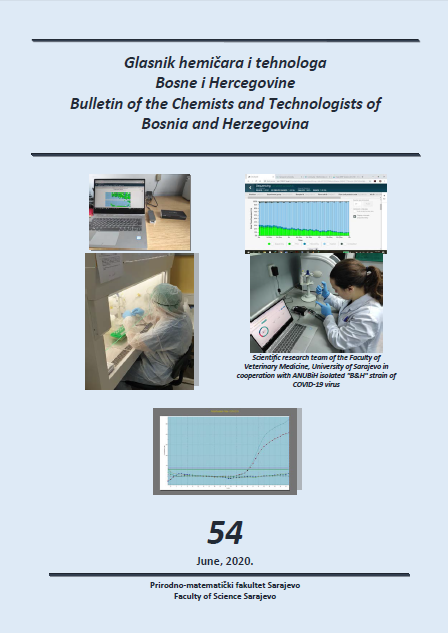
Vol. 54 (2020)At the end of 2019, a new SARS-like virus was detected in China, which was later named SARSCoV-2. This virus has since then caused hundreds of thousands of deaths linked with to the respiratory disease COVID-19. A cure or a vaccine has not yet been discovered, but in the meantime, all we can do is protect ourselves and/or others surronding us. In order to do that, testing and effective contact tracing are essential.
The most common tests used to detect the presence of COVID-19 are PCR and serologic tests. PCR tests detect the presence of an antigen, rather than the presence of the body's immune response, or antibodies. Unlike PCR tests, serologic tests detect the presence of antibodies. Different samples are needed in order to perform these tests: PCR tests usually require a nasopharyngeal swab, and serologic tests require a blood sample.
The polymerase chain reaction (PCR) is an in vitro method used for amplifying specific sequences of nucleic acids. This method was discovered by Kary Mullis in 1983. Using this technique, it is possible to analyse minimal traces of nucleic acids (NA).
The basic ingredients for a PCR are Taq polymerase, primers, template NA and nucleotides. These substances are combined in a tube along with cofactors needed by the enzyme, and are put through several cycles of heating and cooling that allow NA to be synthetized. The DNA which needs to be detected is the DNA of the virus-infected host cells.
The essential steps are:
1. Denaturation of the DNA strands (at 96°C),
2. Annealing of primers to their complementary sequences on the single-stranded template DNA (at 55-65°C),
3. Extension of the primers, thus synthesizing new strands of DNA (at 72°C).A fluorescent signal is created when amplification occurs, and once the signal reaches a threshold, the test is considered positive. The technique is generally very sensitive and specific. If a PCR test is positive, the result is most likely correct (false positive results can only happen if the samples are contaminated during test processing). False negative results do not guarantee that the patient is not infected by the virus and they are most frequently the result of a wrong patient sampling (swabs not pushed far enough in the patients' nasopharynx, i.e.).
-
Bulletin of the Chemists and Technologists of Bosnia and Herzegovina
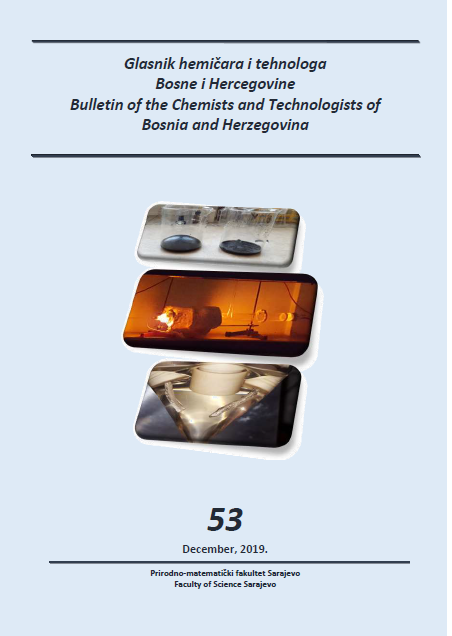
Vol. 53 (2019)Design of new active materials for electrochemical systems is the major contribution of chemists to the quest for new and efficient routes for energy storage and conversion. This long and unfair battle against The Second Law of Thermodynamics was finally recognized by The Nobel Comittee for Chemistry: John Goodenough, M. Stanley Whittingham and Akira Yoshino received 2019 Nobel Prize for Chemistry “for the development of lithium-ion batteries”. This award is especially celebrated among electrochemists, since it is the first Nobel prize for electrochemistry-related topic after Jaroslav Heyrovský received one, 60 years ago.
Secret of lithium-ion batteries global success lies in their ability to be discharged and charged repeatedly, over several hundred cycles. They can also be partially discharged, because these batteries do not suffer from the memory effect. Their secret from scientific standpoint, however, lies in the possibility to „insert“ an electron into the Li ion, without formation of lithium metallic phase during battery charge, which is achieved by the use of graphite-based materials as negative electrodes. Change from metallic lithium (used in primary lithium cells) to graphite-based materials reduced cell potential to some extent, thus reducing the amount of stored energy, but enabled multiple charging and discharging. Development of these systems also included development of different materials for positive electrodes, most famous of them being based on LiCoO2 and LiFePO4 structures. Although there is not much room left for the development of new materials and electrolytes for Li-ion batteries, the present work is focused on their optimization for fast charging, increased cycle life, safety, durability in wide range of temperatures and environmental friendliness.
-
Bulletin of the Chemists and Technologists of Bosnia and Herzegovina
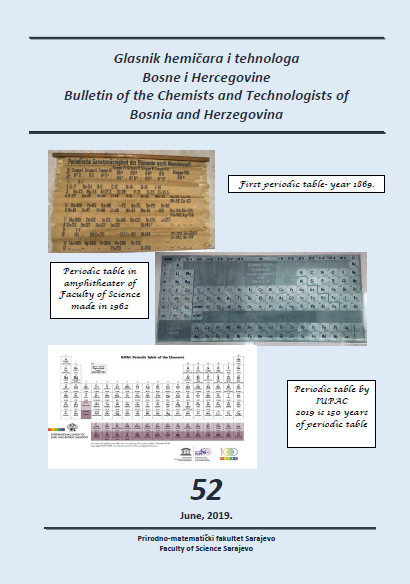
Vol. 52 (2019)THE INTERNATIONAL YEAR OF THE PERIODIC TABLE
Advances of modern chemistry have in numerous ways transformed the lives of humans in ways once thought unimaginable. These developments once applied to the multitude of disciplines including industry, medicine, food production have led to a dramatic increase in population and in general quality of life and health of humanity as a whole. In an age of ever-increasing specialization and complexity, one can easily overlook that all of that advancement and experimentation boils down essential building blocks of matter, the atoms, and their classification as elements.
The general characterization of matter has existed from the ancient times in both philosophical and scientific manner, however, for centuries it was quite arbitrary and differed widely between different civilizations. In the European middle ages existed a fixation of many with the mostly mystical transmutation of matter, including the notable search for so-called “Philosopher's stone”. While these early experimentations where barely scientific in nature they did show that characteristics of materials can be manipulated and these have led to the discovery and classification of the first elements, even if though their properties where barely understood. As science progressed it became clear that all matter is made up from particles that were named atoms, with their first classification made by Antoine-Laurent de Lavoisierwhich and which were thought for a long time to be fundamental particles. With the accumulated knowledge of known elements relative atomic masses, in 1869 Dmitri Ivanovich Mendeleev published a table which is considered a first modern periodic table of elements in which known elements were arranged according to their properties with blank spaces being filled with further discoveries of new elements. This trend continues to this day with synthesis and characterization of short-lived highly unstable elements as well as different isotopes of known ones.
In the recognition of huge impact the creation and subsequent expansion of periodic table has had for the entire human civilization the year 2019, which is 150 years since the publication of Mendeleev’s periodic table, has been declared by the United Nations General Assembly and UNESCO as “The International Year of the Periodic Table” with the aim of further promoting and supporting development of science and technology through the humanity.
-
Bulletin of the Chemists and Technologists of Bosnia and Herzegovina
Vol. 51 (2018)EVOLUTION OF ENZYMES: Benefit for humankind
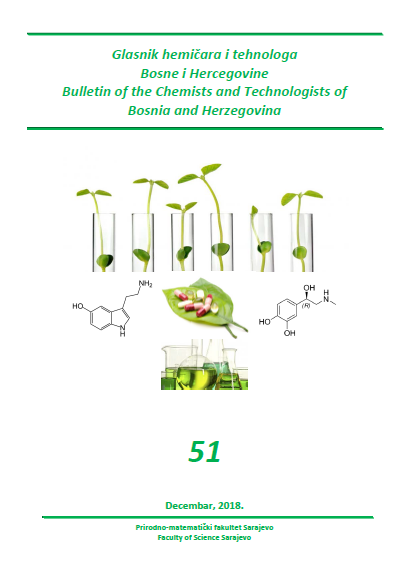
Diversity of life revealed the power of evolution. Since the first seeds of life arose around 3.7 billion years ago, almost every crevice on Earth has filled with different organisms. Forms of life are present in every part of Earth because evolution has solved a number of chemical problems. Proteins or as they are commonly called “chemical tools of life” have been optimized, modified and involved in different aspects of life’s diversity.
This year’s Nobel Laureates in Chemistry have been inspired by the power of evolution and used the principles – genetic change and selection – to develop proteins that solve mankind’s chemical problems. The 2018 Nobel Prize in Chemistry was awarded partially to Frances H. Arnold, fifth women to receive this outstanding award. She was the pioneer in conducting research on direct evolution of enzymes. Directed evolution is an iterative process scientists use to design biological molecules like enzymes. It requires inducing some randomness in the target enzyme within an organism like bacteria. The resulting mutated bacteria are screened to see which ones do the intended job the best. The winners are then cultured, and from their offspring, the best are selected, and then cultured, and so on. Enzymes produced through directed evolution are used to manufacture everything from bio-fuels to pharmaceuticals. Antibodies evolved using a method called phage display can combat autoimmune diseases and in some cases cure metastatic cancer. Other half of Nobel Prize in Chemistry is awarded to George P. Smith and Sir Gregory P. Winter for the development of the phage display - where a bacteriophage – a virus that infects bacteria – can be used to evolve new proteins. Phage display was used for the directed evolution of antibodies, with the aim of producing new pharmaceuticals. The first one based on this method, adalimumab, was approved in 2002 and is used for rheumatoid arthritis, psoriasis and inflammatory bowel diseases. Since then, phage display has produced anti-bodies that can neutralise toxins, counteract autoimmune diseases and cure metastatic cancer. Today, many phage display were used to produce different antibodies that are capable of neutralizing wide range of toxins, counteract autoimmune diseases and cure metastatic cancer.
Incredible fields of new therapy approaches for cancer therapies are now available because of the methods created and modified by this year Nobel Prize winners. We are currently living in the era of great evolution of enzymes with outstanding benefit for humankind.
-
Bulletin of the Chemists and Technologists of Bosnia and Herzegovina
No. 3 Special Issue (2018)On behalf of the Organizing and Scientific Committee, Society of Chemists and Technologists of Canton Sarajevo and the Faculty of Science in Sarajevo, it is our great pleasure to invite you to the 3rd International Congress of Chemist and Chemical Engineers of Bosnia and Herzegovina (ICCCEB&H 2018, www.pmf.unsa.ba/hemija/kongres) in Sarajevo. The annual ICCCEB&H Congress series, first launched in 2014, presents an ideal platform for fruitful exchange of ideas which is crucial for scientific advancement.
We are delighted to inform you that ICCCEB&H 2018 will have 15 Oral and 79 Poster presentations, in addition to the plenary lectures.
Thanks to the invaluable efforts of our Scientific Board Members, we were able to convince numerous world-class scientists to join us in this unique event as Plenary and Invited Lecturers. The impetus generated by these inspiring and high-caliber distinguished speakers enabled us to attract, more than 120 participants, and 90 abstract submissions.
We now have scientists from Bosnia and Herzegovina, Turkey, Saudi Arabia, Slovenia, Singapore, Algeria, Jordan, Nigeria, Croatia, Serbia, and Montenegro.
All submited abstract will be publish in special issue of Bulletin of Chemists and Technologists of Bosnia and Herzegovina, and some number of papers will be published in the regular issue of Bulletin of Chemists and Technologists of Bosnia and Herzegovina.
The Congress will cover different areas of chemistry and chemical technology and offer an opportunity for scientists to exchange latest research findings and ideas and develope a collaboration with colleagues from Bosnia and Herzegovina and from all around the world.
There are many people that deserve credit for the organization of ICCCEB&H 2018, such as, the members of the Organizing Committee, International Scientific Committee, Scientific Committee, all of the sponsors, and last but not the least to all of the participants, without which this event could not be realized.
We welcome all of you once again to the ICCCEB&H 2018 event, and wish you an extremely fruitful interactive and enjoyable meeting and a pleasant stay in Sarajevo, Bosnia and Herzegovina.
-
Bulletin of the Chemists and Technologists of Bosnia and Herzegovina
Vol. 50 (2018)INTERNATIONAL DAY OF LIGHT
Advances in science in the 21st century represent a continuing challenge for advancement of civilization, improvement in the quality of life but also survival of mankind as a whole. The boundaries between distinct natural sciences in frontier research are becoming more and more blurry as the multidisciplinary approach encompasses the problem from different angles and specifics points while progressing to the same goal, whether it be medicine, industry, space exploration etc. The task of meeting these ever-increasing challenges and adapting to the new situations is left for the new generations of scientists and engineers that are only starting their life-long journey. In the effort to further promote science among youth UN have taken up numerous programs in popularization of STEM (Science, technology, engineering, mathematics).
The International Day of Light (IDL) was declared by UNESCO and as of 2018 it is being annually marked on 16th of May in the honor of anniversary of first successful operation of a laser by Theodore H. Maiman in 1960. The IDL is an initiative on a global scale with the aim of raising mankind’s knowledge of light, its properties and application everyday life of each and every one on this planet and through it further promote UNESCO goals of peace and education. Light phenomena are unique in its appeal to youth through spectacular experiments and demonstrations that can be conducted with very simple setups in everyday environments.
The IDL was celebrated this year for the first time around the world and has been a great success with hundreds of events being organized throughout the month of May. 1Many high-profile institutions have taken part such as Parliaments of Sweden and Republic of Korea, in Ghana first Museum of Light was inaugurated and Auckland Harbor Bridge in New Zealand was lit in commemoration of the IDL. Institutions in Bosnia and Herzegovina have also taken part in these celebrations and Society of Chemists and Technologists of Canton Sarajevo has had the honor of being a national node for the events in our country.
-
Bulletin of the Chemists and Technologists of Bosnia and Herzegovina
Vol. 49 (2017)Climate change is at the top of the list of global issues; not surprisingly, as the focal challenge to life and research which affects economy, policy, and the world at large. The cooperation and collaboration between nations is of vital importance in order to tackle these issues since it truly does change the way we look at protecting vulnerable populations.
The Kyoto Protocol (1997) is the first international treaty to cut greenhouse gas emissions, and it is linked to the United Nations Framework Conventions on Climate Change (1992). The Protocol commits parties by setting internationally binding emission reduction targets. Under the Protocol, countries must meet their targets primarily through national measures. The Protocol, since its adoption at the Third Conference of the Parties (COP3) in 1997, has become a beacon of climate action and an inspiring precursor to the Paris Climate Change Agreement (2015), because it demonstrated that international climate change agreements not only work but can significantly exceed expectations in meeting their objectives.
Similarly, the UN Climate Conference (2017) in Bonn, Germany, gathered leaders of national governments, cities, states, business, investors, NGOs and civil society in order to stimulate climate action once again and to meet the goals of the Paris Climate Change Agreement.
The undertaken actions urge all nations to commit to a common cause – to confront climate change and to adapt to its effects with joint efforts and mutual understanding.
Celebrate the Kyoto Protocol's 20th Anniversary with the UN. (2017, Decembar 06)
-
Bulletin of the Chemists and Technologists of Bosnia and Herzegovina
Vol. 48 (2017)6th Regional Symposium on Electrochemistry of South-East Europe was held from 11th to 15th June 2017. in Balatonkenese, Hungary with the organizational support of chemical and electrochemical societies from 17 countries. The scientific theme of the meeting was “Renaissance of Electrochemistry in the 21th century and its effect on the development of South-East Europe”.
This, now already well established meeting of electrochemists was organized for the first time in Rovinj, Croatia in 2008, followed by meetings in Belgrade, Serbia (2010), Bucharest, Romania (2012), Ljubljana, Slovenia (2013), Pravets, Bulgaria (2015) and Balatonkense, Hungary this year. Location of the 7th Symposium in 2019 will be Zadar, Croatia. Proceedings of the meeting are published in the open access Journal of Electrochemical Science and Engineering (http://www.jese-online.org/).
Society of Chemists and Technologists of Canton Sarajevo joined organizing societies in the organization of 5th meeting in Bulgaria, 2015. During that meeting, the Association of South-East European Electrochemists (ASEE) was established by a Common Decision of the Scientific Committee (SC) of the Symposium (http://www.rsesee.eu/index.php/about-asee). Mission of the Association is to:
- contribute to the advancement of the fundamental and applied research in the field of electrochemistry
- enhance the regional scientific communication and cooperation in electrochemistry
- help the bridging of the regional electrochemical science and industry
- accelerate regional with international networking in the broad area of electrochemistry
- support, facilitate and rationalize the dissemination and exploitation of knowledge and innovations in electrochemistry and its applications
- organize traditional meetings in the field of electrochemical research, technologies and innovations -
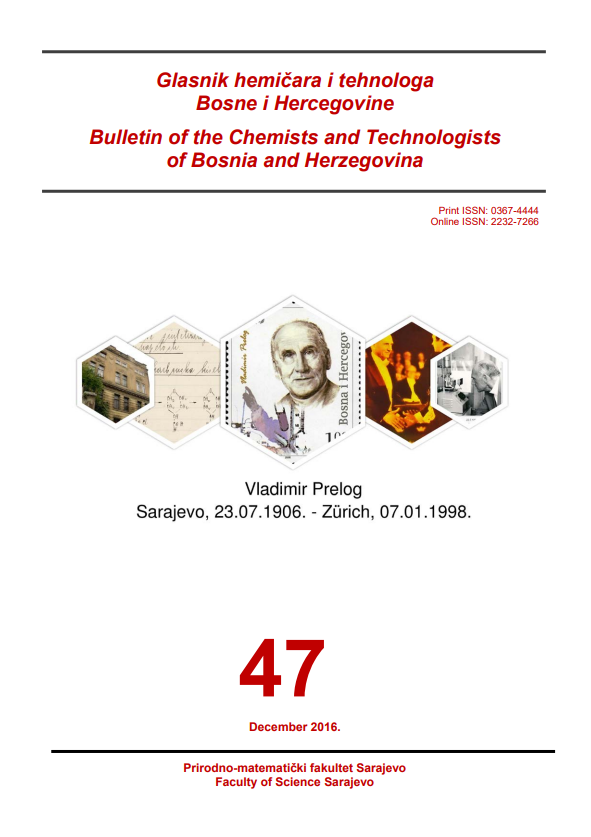
Bulletin of the Chemists and Technologists of Bosnia and Herzegovina
Vol. 47 (2016)The first study, ten years after war activities, to report about the content of heavy metals
and metalloides, polycyclic aromatic hydrocarbons (PAHs) and polychlorinated biphenyls (PCBs) found in samples of soils from playgrounds was realized in Sarajevo city. Due to the fact that children, the most vulnerable population, are in direct contact with surface soils, it has been recommended that children’s playgrounds should be given special consideration in this respect. The war activities during 1992. to 1995. period caused a variety of damages and contamination of urban land. During the last five years, the background pollution of Sarajevo has been mainly created by atmosferic impurities emitted from different sources. The major polluting source of pollutants such as the heavy metals and metalloides in Sarajevo are vehicles because of high traffic density and also because vehicles (passenger cars and commercial vehicles) below the Euro 3/4 standard are used. Furthermore, heating plants (using crude oil or natural gas) and domestic heating (using wood and coal) are the other sources of inorganic and organic pollutants. Unfortunately, there is still inadequate emission control and soil quality standards in practice.The goal of this research was to identify and quantify some inorganic and organic pollutants found in the soil of Sarajevo public playgrounds. Some of the consequences, ten years after the war, are evident in the collapse of monitoring programmes, in the severing of links between individuals working at universities and government officials, and in the physical destruction of records, including scientific data that had been painstakingly collected over a long period of time. There is currently little ongoing environmental monitoring at work. It is clear, however, that the consequences of the war for the environment have been different and geograficaly uneven. Findings of this study suggest that the contaminated playground soils in a war damaged area, as is the Sarajevo area, are still sources of heavy metals and metalloides, PAHs and PCBs contamination. While playgrounds soil characterization would provide an insight into major inorganic and organic pollutants speciation and bioavailability, attempts at environmental remediation of polluted soils would entail knowledge of the source of contamination, basic chemistry, and environmental and other associated children’s health risks caused by these pollutants.
Results of this study may contribute to a more accurate health risk assesment of the soils, and may support planning safer and more sustainable urban playground areas; these findings could assist developers in planning projects for a more efficient use of land, or in studies assessing children’s health risks, or in studies concerning the soil contamination and related legislation which is not sufficiently regulated in Bosnia and Herzegovina.
-
Bulletin of the Chemists and Technologists of Bosnia and Herzegovina
No. 2 Special Issue (2016)On behalf of the Organizing and Scientific Committees, Society of Chemists and Technologists of Canton Sarajevo and the Faculty of Science in Sarajevo, it is our great pleasure and honour to invite you to the 2nd International Congress of Chemists and Chemical Engineers of Bosnia and Herzegovina, to be held in Sarajevo on October 21st-23rd, 2016 in the Hollywood Hotel.
The Congress will cover different areas of chemistry and chemical technology and offer an opportunity for scientists to exchange latest research findings and ideas and develope a collaboration with colleagues from Bosnia and Herzegovina and from all around the world.
We hope that you will have a fruitful, interactive and enjoyable Congress.
We are all looking forward to welcoming you in Sarajevo.
-
Bulletin of the Chemists and Technologists of Bosnia and Herzegovina
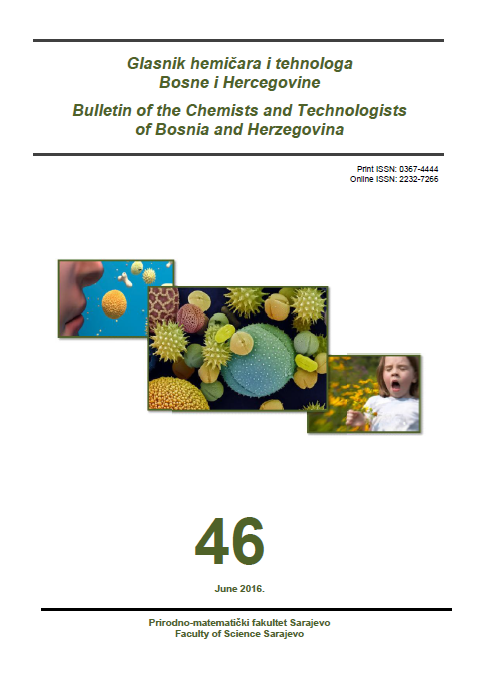
Vol. 46 (2016)Sneezing is not always the symptom of a cold. Sometimes, it is an allergic reaction to something in the air. An allergen is a substance that can cause an allergic reaction. In some people, the immune system recognizes allergens as foreign or dangerous. As a result, the immune system reacts by making a type of antibody called IgE to defend against the allergen. This reaction leads to allergy symptoms. These allergic reactions are most commonly caused by pollen and mold spores in the air, which start a chain reaction in our immune system. As a ritual, each spring summer and fall, tiny particles known as pollen are released from trees, grasses and weeds. Pollen is transported by air currents and enters human noses and throats, triggering an allergic reaction named allergic rhinitis, also known as Pollen Allergy.
The word pollen is derived from the Greek word meaning 'fine flour' and the role of the pollen grain is to fertilise the female flower to reproduce plant species. Pollen grains can be spread by birds, bees or wind. Pollination times vary with the plant variety and its location. For example, trees pollinate in late winter and early spring. Grasses flower next, and the weed 'Plantain' flowers from August through to May. Grass pollen numbers are also higher in inland areas, where there are no natural barriers to wind dispersal.
An allergic reaction can be caused by any form of direct contact with the allergen—eating or drinking a food you are sensitive to (ingestion), breathing in pollen, perfume or pet dander (inhalation), or brushing your body against an allergy-causing plant (direct contact, generally resulting in hives).
Almost any substance in the environment can be an allergen. The list of known allergens includes plant pollens, spores of mold, animal dander, house dust, foods, feathers, dyes, soaps, detergents, cosmetics, plastics, and drugs.
-
Bulletin of the Chemists and Technologists of Bosnia and Herzegovina
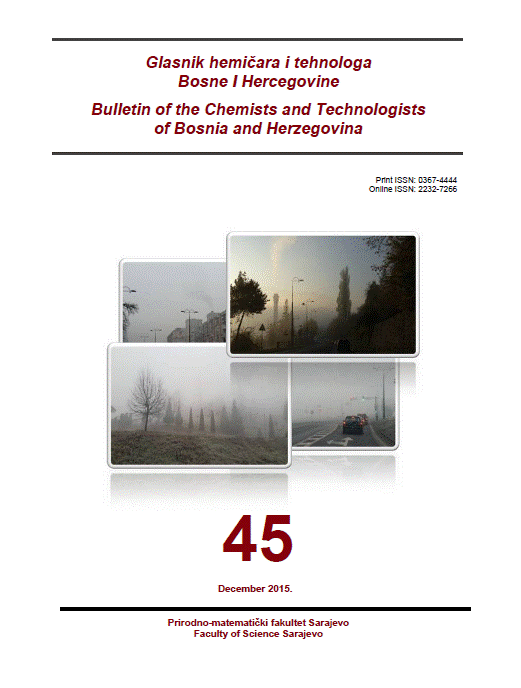
Vol. 45 (2015)Sarajevo is not the only capital city suffering from air pollution during the winter period. The European Environment Agency reported that a significant proportion of Europe’s population lives in areas, especially cities, where exceedances of air quality standards occur: ozone, nitrogen dioxide and particulate matter (PM) pollution pose serious health risks. Heavy fog and smog are not uncommon in Sarajevo which lies in a valley surrounded by mountains. The problem becomes more serious in winter when many residents burn coal or wood for heating.
The World Health Organization estimates that over 7 million deaths annually caused by respiratory disease, cardiovascular disease and cancer can be attributed to air pollution globally. In many cities, breathing has become dangerous - particularly in cities, and this will worsen with increasing climate change.
A historic international climate agreement was signed at the COP21 (21st annual session of the Conference of the Parties) United Nations climate summit in Paris by negotiators from 195 countries. The agreement is designed to reduce greenhouse gas emissions and limit the average rise in global temperatures to 2 degrees Celsius above pre-industrial times.
Many of the steps needed to prevent climate change have positive health benefits. For example, increased use of public transport instead of personal cars in industrialized countries will reduce greenhouse gas emissions. It will also improve air quality and lead to better respiratory health and fewer premature deaths. Furthermore, the increase in physical activity from walking may lead to less obesity and fewer obesity-related illness. The sooner these steps are taken, the greater their impact will be on public health.
-
Bulletin of the Chemists and Technologists of Bosnia and Herzegovina
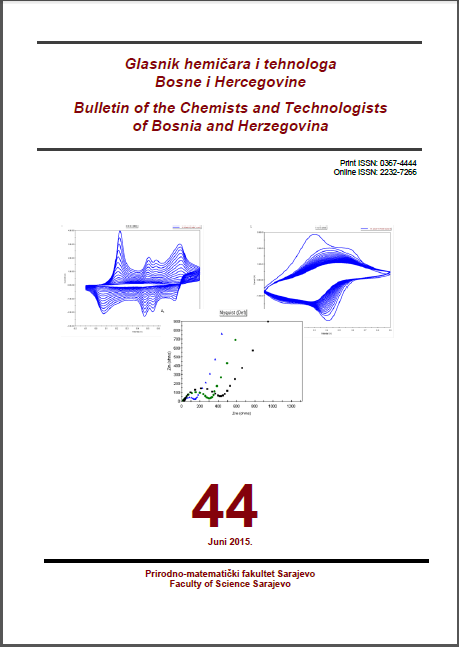
Vol. 44 (2015)TEMPUS – NETREL PROJECT: Network for education and training for public environmental laboratories (2012-2015)
NETREL project aims to train researchers and experts in Bosnia and Herzegovina and Serbia in environmental analytical techniques required to meet the major challenges in the monitoring, assessment and management of pollution and emission of toxic compounds in water samples in Western Balkan countries.
The main idea of NETREL is to train public environmental laboratories in Bosnia and Herzegovina and Serbia on local, regional and national level. Also one of the ideas of the NETREL project is to create and implement a harmonized network of universities and public laboratories capable to prepare national and regional strategy for gathering of information on new organic pollutants, building of capacity and establishment of strategic partnerships in order to fill the identified human resources, equipment and data gaps. NETREL action will allow the development and implementation of state-of-the-art methodologies to enable and improve the Western Balkan capabilities for monitoring of environmental pollutants. These will be comparable to those already used in EU member states.
NETREL project consortium consists of 7 universities, 3 EU universities (Slovakia, Czech Republic and United Kingdom) and 4 partner country universities (Bosnia and Herzegovina and Serbia). Seven public laboratories from local, regional and national level in Bosnia and Herzegovina and Serbia have been selected as project participants (Public Health Institute of Canton Sarajevo, B&H, Federal Agromediterranean Institute, Mostar, B&H, Public Health Insitute of Republika Srpska, B&H, Utility company Waterworks Prnjavor, B&H, Serbian Envrionmental Protection Agency, Serbia, Public Health Institute of Vojvodina, Novi Sad, Serbia and Public Utility Company Waterworks and Sewerage Novi Sad, Serbia.
NETREL project coordinator is assoc. Prof. Ivan Spanik from Slovak University of Technology in Bratislava and coordinator for the University of Sarajevo is assoc. Prof. Tidza Muhic-Sarac from Faculty of Science Sarajevo.
-
Bulletin of the Chemists and Technologists of Bosnia and Herzegovina
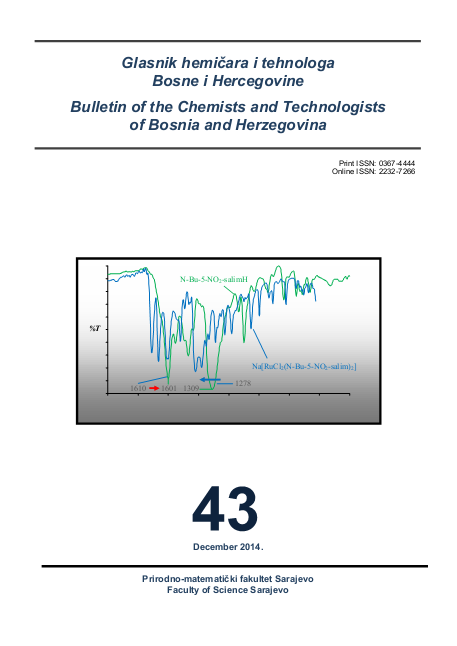
Vol. 43 (2014)Congress of Chemists and Chemical Engineers of Bosnia and Herzegovina with International participation, organized by Society of Chemists and Technologists of Canton Sarajevo and the Faculty of Science in Sarajevo was held on October 10th-12th, 2014 in Sarajevo. There were approximately 160 delegates from academic, government and industrial environments in attendance, five invited speakers and close to 140 posters presented at this event.
The main objectives of the meeting were to foster and increase communication between scientists in academia and industry, to present emerging areas of research and to initiate new regional research collaborations. The scientific program can be viewed at http://www.pmf.unsa.ba/hemija/glasnik/index.php/current-issue
Plenary speaker, Dr. Marina Cindric from University of Zagreb, Zagreb, Croatia presented a talk on Solvent-induced transformations in feromagnetically coupled (Ni4L4) clusters. She focused on research showing synthetic procedures, interconversion scenarios of reabsorption and exchanging solvent molecules, structural and magnetic studies of a new family of Ni(II) compounds based on cubane–like clusters.
Next plenary speaker was Dr. Miloš Mladen from University of Split, Croatia. His speech focused on Investigation of antioxidative and cell signaling properties of bioactive compounds from aromatic herbs. Different methods of the isolation, fractionation and identification of chemical compounds and testing of their biological activity such as antioxidant effect and inhibition of the enzyme activity of the selected enzyme were presented.
Dr. Jaćimović Željko from University of Montenegro, Podgorica, Montenegro presented talk titled “Complexes of transition metals with pyrazole derived ligands: synthesis, physico-chemical characterization and potential application” He pointed out the importance of metal complexes with pyrazolone ligands that can act as a potential anticancer agents. The second selected group of compounds was investigated in relation to the potential biological activity (fungicidal activity) on pathogenic fungi Phomopsis viticola Sacc, which is the cause of leaf spot disease of grapevine and Botryosphaeria dothidea that causes fruit rot of olives.
Plenary lecture titled Conducting polymers and their applications was presented by Dr. Toparre Levent from Middle East Technical University, Ankara, Turkey/ He presented his research o conducting polymer based electrochromic devices, solar cells, organic light emitting diodes and biosensors. Also, recent developments in The Center for Solar Energy Research and Applications, METU on the OPVs and OLEDs were discussed.
Dr. Bates W. Roderick from Nanyang Technological University, Singapore talked about Catalysis: "Awakening Affinities" for Organic Synthesis . He presented catalytic methods using a wide variety of metals to achieve mild and selective bond formation. This includes palladium, rhodium, osmium, iridium, platinum, silver and gold. In addition, methods using Lewis acidic main group metal catalysts are describe in his talk. Aselection of catalytic reactions and their applications were presented.
At the end, Congress of Chemists and Chemical Engineers of Bosnia and Herzegovina with International participation truly achieved set goals. Our next meeting, we hope, will be even better ad bigger with participants all over the world discussing ideas and new research.
-
Bulletin of the Chemists and Technologists of Bosnia and Herzegovina
Vol. 42 (2014)Society of Chemists and Chemical Engineers of Canton Sarajevo was founded in the year 2000 with an idea to promote chemistry in different sectors of our community. Its aim is to develop and improve the scientific, professional and educational activities in all areas of pure and applied chemistry. In Sarajevo, for the first time ever, Congress of Chemists and Chemical Engineers of Bosnia and Herzegovina with international participation will be held from 10th to 12th October, 2014. The conference is organized by the Society of chemists and technologists of the Sarajevo Canton and Faculty of Natural Science, Sarajevo. This conference will initiate and organize meetings of scientists doing research in different fields of chemistry and chemical technology, which will, I sincerely hope, result in a more intensive scientific cooperation, exchange of scientific knowledge and professional experience, and potential international scientific projects in perspective.
The scientific program will be of high quality with a great number of interesting topics and educational lectures with subjects as:
- Analytical and Environmental Chemistry
- Biochemistry and Biotechnology
- Inorganic Chemistry
- Biological Chemistry
- Organic and Medicinal Chemistry
- Physical and Theoretical Chemistry
- Chemistry of Advanced Materials
- Chemical Engineering
- Education in Chemistry
- Topics related to ChemistryMain speakers from four different university centers of Europe will take a part in Congress and present their research giving it truly an international character.
Selected papers presented at this meeting will be published in the Bulletin of Chemists and technologists of BiH, journal that has been publishing research papers since 1952 year.
-
Bulletin of the Chemists and Technologists of Bosnia and Herzegovina
Vol. 41 (2013)Air pollution has increased in recent decades in the industrialized world, resulting in a raise of allergic and other diseases that are becoming growing public health problem. Air pollution is a mixture of solid particles and gases in the air. Particle pollution, called particulate matter or PM, is a combination of fine solids and aerosols that are suspended in the air we breathe. Particles can come in almost any shape or size, and can be solid particles or liquid droplets. The particles are divided into two major groups. These groups differ in many ways. One of the differences is size, the bigger particles are called PM10 and the smaller particles PM2.5. The big particles are between 2.5 and 10 micrometers (from about 25 to 100 times thinner than a human hair). The small particles are smaller than 2.5 micrometers (100 times thinner than a human hair). Inhaling them can increase the chance to have health problems. People with heart or lung disease, older adults and children are at greater risk from air pollution. Particle size is an important determinant of the fraction of inhaled particles deposited in the various regions of the respiratory tract. Most aerosols present in natural and work environments are polydisperse. This means that the constituent particles within an aerosol have a range of sizes and are more appropriately described in terms of size distribution parameters. Size is not the only difference. Each type of particle is made of different material and comes from different places.
Atmospheric particles are emitted from a wide variety of anthropogenic and natural sources, and consequently their physical and chemical properties may vary widely. Car emissions, chemicals from factories, dust, pollen and mold spores may be suspended as particles. Susceptibility of an individual to adverse health effects of PM can vary depending on a variety of host factors such as age, physiological activity profile, genetic predisposition, or preexistent disease.
Recent epidemiological studies have provided solid evidence for the association of airborne particulate matter (PM) concentrations with adverse respiratory health effects. Acute and chronic inhalation can result in damage to the lung including cancer, and chronic inhalation affects other organ systems. However, the mechanism is unknown. Thus, determining, identifying and tracking air pollution and its adverse effect on health, requries continuous focus in attempt to address and stop this serious problem of modern world.
-
Bulletin of the Chemists and Technologists of Bosnia and Herzegovina
Vol. 40 (2013)Subscribing to modern lifestyle, humans have directly and indirectly affected the environment in a positive and sometimes less positive way. A number of “so called modern age” diseases have a direct link to environmental changes. The World Health Organization estimates that about a quarter of the diseases facing mankind today occur due to prolonged exposure to environmental pollution. Apparently, there was a price to be paid for a commodity of a modern life. Inorganic and organic pollutants have found its way into a water streams, soli, and air disrupting complete eco systems, and affecting human health. At this time, the need for trained environmental chemist is not only necessary but urgently needed.
The field of environmental chemistry is both very broad, but core knowledge stems from basic chemical principles containing all the aspects of organic chemistry, analytical chemistry, physical chemistry and inorganic chemistry. Additional topics dealing with a specific aspect of applied chemistry in environment ads to a broad and interdisciplinary nature of a subject.
Environmental chemistry is a fairly a new science discipline that emerged only in the last decades of the 20th century. The benefits of having sound environmental chemistry program are immense and absolutely necessary in regards to a global environmental strategy outlined by international and regional organization. Thus, a new program at Faculty of Science, Department of Chemistry, focusing on monitoring and environmental protections with strong core knowledge in chemistry is exactly what is needed at this time. After all, we are morally obligated to consider the consequences of our acts and act upon it.
-
Bulletin of the Chemists and Technologists of Bosnia and Herzegovina
Vol. 39 (2012)This issue of the magazine is dedicated to the initiator of chemistry in Bosnia and Herzegovina, an academician Mladen Dezelic.
Academician Dezelic was a pioneer in many ways: the establishment of the Department of Chemistry at Faculty of Philosophy, registrar of the Faculty of Science and Mathematics in Sarajevo, founder Society of Chemists and Technologists of Bosnia and Herzegovina, the first Editor-in-Chief of the Bulletin of the Chemists and Technologists of Bosnia and Herzegovina, one of the founders of the Academy of Sciences and Arts of Bosnia and Herzegovina, and much more.
It all started back in 1949 at the invitation of the authorities of Bosnia and Herzegovina to come in Sarajevo and founded university chemistry classes. On his initiative and thanks to his efforts, the Institute of Chemistry and Physics in Sarajevo was designed and built, and after the establishment of the Faculty of Science and Mathematics, he became the head of the Department of Chemistry and director of the Chemical Institute.
Mladen Dezelic can be said to be the father of chemical science in Bosnia and Herzegovina.
In his scientific work, he dealt with organic synthesis and research of natural compounds. He researched the chemistry of pyrrole, porphyrin and hemin, studied nicotine and its derivatives, coumarin derivatives and their anticoagulant effect, and glycosidic compounds. Engaged in the problem of stabilization of vitamin C in solutions. He worked in the field of physical chemistry with thermochemistry, polarography and spectrophotometry. Work on the study of balance mixture of heavy water D2O and ordinary water H2O gave results that are still cited in manuals with tables of physical and chemical data on hard water.
The bibliography of Dr. Mladen Dezelic scientific works includes a large number of scientific works in magazines and scientific anthologies, books, works from the history of science and culture, patents, professional and encyclopedic articles.
"Academician Mladen Dezelic day" was recently organized at the Faculty of Science and Mathematics in Sarajevo, where his life and work were presented.
-

Bulletin of the Chemists and Technologists of Bosnia and Herzegovina
Vol. 38 (2012)Dear user,
In front of you is the 38th issue of the magazine "Bulletin of the Chemists and Technologists of Bosnia and Herzegovina", published by the Faculty of Science and Mathematics in Sarajevo. If only we had luck, if God granted us a more civilized environment, this would be, at least, the 58th number, and this text would not even exist. Barbaric attempts from the hills to destroy all civilization achievements in our country resulted, unfortunately, in a serious setback in the development of chemistry, chemical technology and scientific fields and disciplines that rely on chemistry, as well as difficult compensable stoppage in scientific and professional journalistic activities throughout Bosnia and Herzegovina, and especially in Sarajevo. Regardless of all these difficulties, the scientific and professional curiosity of the local chemists as well as the necessary and present enthusiasm and need to develop and progress, were not absent. The results of scientific and professional research of our personnel were announced in such scientific journals in our immediate environment, but also far beyond it. With considering the capacities of today's chemists, especially their youth and good health training, it is no longer enough to perform and publish individually, even if it is within the framework of respectable world scientific institutions and reputable reference journals. This practice should be continued whenever it is useful for our environment and people, but must gradually focus on incorporating the acquired knowledge into our chemical reality.
Today, this work must be approached from a systematic and systemic platform approach to science, and the results of this approach must be published in domestic, own, scientific and professional magazines. Despite the fact that the modern world has become "small" in many aspects, even in scientific informatics, the continuation of the appearance of this journal will give contribution to the world of science from Bosnian-Herzegovinian sources, primarily from Sarajevo, but also from other university and scientific research centers in Bosnia and Herzegovina.
With the desire that this magazine becomes a respectable scientific and professional publication, which will affirm our environment, the Earth and people in chemistry and related branches of science and thus achieve the desired goals, we recommend you to intensify your scientific activities, and inform our and the world's scientific public about their results by publishing them in this journal.
-
Glasnik hemičara i tehnologa Bosne i Hercegovine
No. 36-37 (1990) -
Glasnik hemičara i tehnologa Bosne i Hercegovine
No. 34-35 (1988) -
Glasnik hemičara i tehnologa Bosne i Hercegovine
Vol. 33 (1986) -
Glasnik hemičara i tehnologa Bosne i Hercegovine
Vol. 32 (1985) -
Glasnik hemičara i tehnologa Bosne i Hercegovine
Vol. 31 (1984) -
Glasnik hemičara i tehnologa Bosne i Hercegovine
No. 29-30 (1983) -
Glasnik hemičara i tehnologa Bosne i Hercegovine
No. 27-28 (1981) -
Glasnik hemičara i tehnologa Bosne i Hercegovine
Vol. 26 (1979) -
Glasnik hemičara i tehnologa Bosne i Hercegovine
Vol. 25 (1978) -
Glasnik hemičara i tehnologa Bosne i Hercegovine
No. 23-24 (1976) -
Glasnik hemičara i tehnologa Bosne i Hercegovine
No. 21-22 (1974) -
Glasnik hemičara i tehnologa Bosne i Hercegovine
No. 19-20 (1972) -
Glasnik hemičara i tehnologa Bosne i Hercegovine
Vol. 18 (1970) -
Glasnik hemičara i tehnologa Bosne i Hercegovine
Vol. 17 (1969)