Vol. 59 (2022): Bulletin of the Chemists and Technologists of Bosnia and Herzegovina
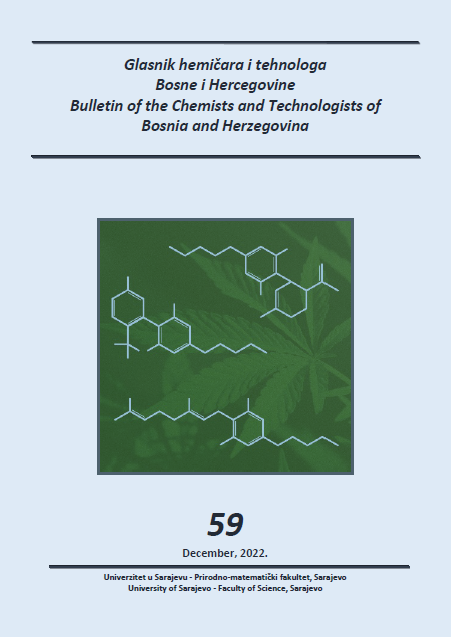
Cannabis and cannabis-derived products are the world's most commonly abused illicit drugs with a high incidence of usage in adolescents, and, therefore, as they may pose a serious risk to public health, they have long been regulated by legislation.
However, the discovery of the endocannabinoid system has raised public interest in the medicinal use of cannabis, cannabis-derived products, and cannabis-derived compounds (cannabinoids). There is evidence suggesting the therapeutic potential of cannabinoids in reducing spasticity associated with multiple sclerosis, chronic neuropathic pain, nausea, and vomiting in individuals undergoing chemotherapy as well as their potential anti-seizure efficacy. Although there is some uncertainty on the safety of medical cannabis, cannabis-derived products, and cannabis-derived compounds use, clear acute cardiovascular, respiratory, cognitive, psychological, and public health effects of cannabis use truly exist.
Current laws in European Union (EU) differentiate between raw herbal cannabis, cannabis extracts, and cannabinoid-based medicines. So far, only one cannabinoid-based medicine with the trading name Epidyolex (containing 10% of cannabidiol) has been approved by the European Medicines Agency (EMA) for use as adjunctive therapy of seizures associated with LennoxGastaut syndrome, Dravet syndrome, or tuberous sclerosis complex for patients 2 years of age and older. EMA does not approve the use of herbal cannabis or its extracts. However, many European countries authorized the use of some additional cannabinoid-based medicines, magistral preparations (Czech Republic, Germany, Italy, and the Netherlands and with exceptional/compassionate use programs in Croatia, Denmark, Finland, Poland, and Sweden), and raw cannabis (Croatia, Czech Republic, Denmark, Finland, Germany, Italy, Luxembourg, Netherland, Poland, and Sweden) by the noncentralized route or national procedures of the EU member states. To date, only Germany and the Netherlands have fully authorized the medical use of herbal cannabis. Specific national regulations in different countries enable medical approval and oversight, limit medicinal use to a specific set of medical conditions, and generally restrict the use of cannabis preparations.
In Bosnia and Herzegovina (a non-EU country), the production and use of cannabis and cannabis-based products are regulated by the Law on Prevention and Suppression of Narcotic Drug Abuse. According to this Law, cannabis, and cannabis-based products are classified as "Prohibited substances and plants". With this classification, cannabis, and cannabis-based products are defacto prohibited from all use except for scientific and very limited medical purposes by duly authorized persons, in medical or scientific establishments.
At the beginning of 2016, the Council of Ministers of Bosnia and Herzegovina formed an expert working group, which in October 2016 gave a positive opinion on the justification of the use of cannabis and cannabis-based products for medical use in Bosnia and Herzegovina. The group submitted to the Council of Ministers a proposal to amend this law and classify cannabis and its products as „Substances and plants under strict control“, which would allow the authorized cultivation, production, and trade of cannabis and cannabis-based products and create the conditions for approval and regulation of the use of cannabis for medical purposes.